
Motivational Training Programs for Employees
- Written by Revanth Kanakam
Getting employees to do their best work is a constant goal for any business.Motivational Training Programs for Employees. Sometimes, it’s about understanding what makes them tick, other times it’s about giving them the right tools and skills. This article looks at different ways to build up your team, from understanding what motivates them to helping them grow and handle tough times. We’ll cover how good training programs, whether they’re about communication, leadership, or just handling daily tasks, can make a real difference.

Plus, we’ll touch on how technology can help and why a positive outlook is so important for everyone’s professional journey. Think of it as a guide to making your workplace a place where people want to do well and stick around.
Key Takeaways
-
Understanding what truly drives employees, both from within (intrinsic) and from external factors (extrinsic), is the first step to creating effective motivational training programs for employees. It’s about figuring out what makes them want to achieve and what holds them back.
-
Recognizing and rewarding hard work is a big deal. Simple praise, timely feedback, and even small, thoughtful rewards can make employees feel valued and encourage them to keep performing well. It doesn’t always have to cost a lot.
-
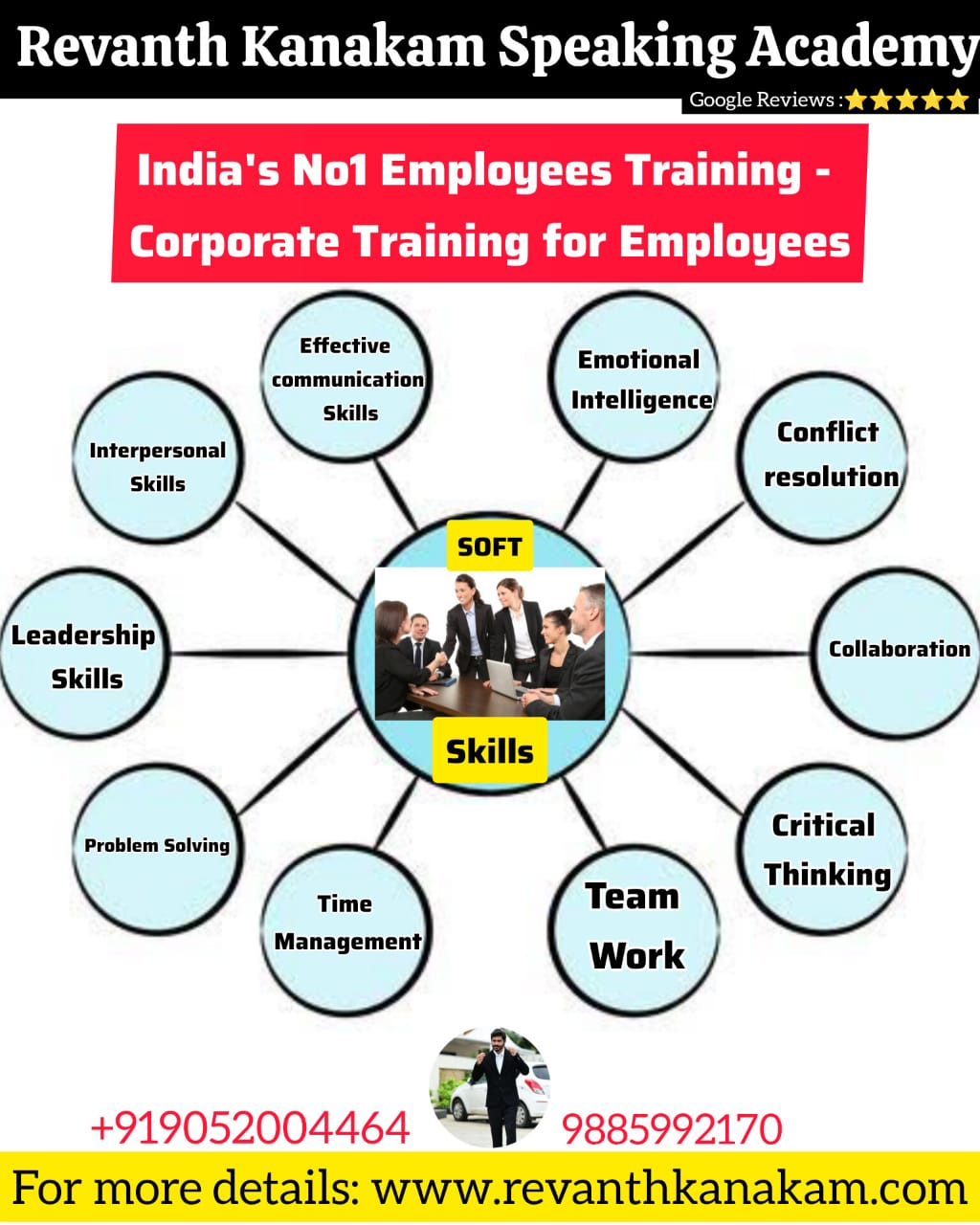
Developing soft skills like clear communication, good listening, and confident public speaking is vital.Motivational Training Programs for Employees. Training in these areas, like presentation skills training or communication skills coaching, helps employees interact better and feel more capable, especially in roles requiring interaction.

-
Using technology can streamline training, from getting new hires started smoothly with automated onboarding to providing flexible learning options through online platforms. Customizing training ensures it meets specific job needs, whether technical or people-focused.
-
Building a mindset focused on growth, where challenges are seen as chances to learn rather than setbacks, is key for long-term development. This, along with resilience training, helps employees handle difficulties and adapt, leading to better overall performance and well-being.
Understanding Employee Motivation Drivers
Figuring out what makes your team tick is pretty important if you want them to do their best work. It’s not just about telling people what to do; it’s about understanding the ‘why’ behind their effort. When you get a handle on what truly drives your employees, you can set up a work environment where they actually want to perform well. This isn’t about magic tricks; it’s about smart strategies.
The Value of Intrinsic Versus Extrinsic Motivation
Think about why you do things. Sometimes it’s because you genuinely enjoy it or feel a sense of accomplishment (that’s intrinsic motivation). Other times, it’s for a reward, like a bonus or praise (extrinsic motivation). Both have their place. Intrinsic motivation often leads to deeper engagement and creativity because the drive comes from within. People who are intrinsically motivated are more likely to stick with a task, even when it’s tough, because the work itself is rewarding.Motivational Training Programs for Employees. Extrinsic motivators, like bonuses or public recognition, can be great for getting specific tasks done or for a short-term boost. However, relying too much on external rewards can sometimes make people lose interest in the task itself if the reward disappears.

Fostering Inner Desire for Achievement
Getting people to want to achieve things on their own is the sweet spot. This often comes down to giving them work that feels meaningful and allows them to grow. When employees feel like their work matters and they have some control over it, their inner drive kicks in. Providing opportunities for them to learn new skills, take on challenges that stretch them a bit, and see the direct impact of their contributions can really make a difference. It’s about creating a sense of purpose and ownership.
Minimizing Workplace Motivation Killers
On the flip side, there are things that can really zap an employee’s motivation. Things like unclear expectations, lack of recognition, micromanagement, or a generally negative work atmosphere can be huge demotivators. If people feel their efforts aren’t noticed, or if they’re constantly being told exactly how to do every little thing, their enthusiasm can quickly fade. Addressing these ‘motivation killers’ is just as important as introducing motivational strategies. It’s about creating a supportive and fair environment where people feel respected and valued.
Looking to boost your team’s morale and productivity? Discover the transformational power of motivational training programs with Revanth Kanakam! Recognized as the best motivational skills trainer in India, Revanth brings a unique approach to energizing and inspiring employees. Through personalized sessions at the Revanth Kanakam Speaking Academy, participants explore techniques that not only enhance workplace motivation but also promote personal growth.

Our programs come highly recommended, earning top 5-star reviews on Google from satisfied attendees who have witnessed significant improvements in their team dynamics. Elevate your workplace environment today! #MotivationalTraining #RevanthKanakam #EmployeeMotivation #WorkplaceProductivity #LeadershipDevelopment #5StarRating #SpeakingAcademy #IndiaTraining #SkillEnhancement #BoostYourTeam
Understanding what makes your team tick is the first step to building a more productive and happier workplace. It’s about recognizing that people are motivated by different things, and a one-size-fits-all approach rarely works.Motivational Training Programs for Employees. Focusing on both internal drives and external encouragements, while actively removing barriers to motivation, creates a solid foundation for success.
Here’s a quick look at common motivators and demotivators:
-
Motivators:
-
Feeling a sense of accomplishment
-
Opportunities for learning and growth
-
Recognition for good work
-
Autonomy and control over tasks
-
Positive team relationships
-
-
Demotivators:
-
Lack of clear goals or feedback
-
Feeling undervalued or ignored
-
Excessive bureaucracy or red tape
-
Poor management or leadership
-
Unfair treatment or favoritism
-
Invest in your workforce’s growth and see the remarkable difference in productivity and morale. Let’s embark on a journey of success and motivation together. Elevate your team’s performance today! #Motivation #ProfessionalGrowth #RevanthKanakam #EmployeeTraining #SuccessJourney #TransformYourTeam

Strategies for Recognizing and Rewarding Employees
Recognition as Its Own Reward
Sometimes, just knowing your work is seen and appreciated can be a huge motivator. It’s not always about the bonus check or the extra day off, though those are nice. Genuine acknowledgment can make people feel like they’re part of something bigger and that their contributions actually matter. Think about it – when someone points out a job well done, doesn’t that make you want to keep doing good work? It’s a simple concept, but it’s powerful. This kind of positive feedback loop can really build momentum.
The Four Bs of Effective Praise
When you’re giving praise, it helps to have a bit of a framework. We can think of it as the Four Bs: Be Specific, Be Sincere, Be Timely, and Be Balanced.
-
Be Specific: Instead of saying “Good job,” try “I really appreciated how you handled that difficult customer call; you stayed calm and found a solution.” This tells the employee exactly what they did well.

-
Be Sincere: People can usually tell if you’re just going through the motions. Mean what you say. Authenticity goes a long way.
-
Be Timely: Don’t wait weeks to praise someone. The sooner you acknowledge good work, the more impact it will have. Ideally, praise should happen as close to the event as possible.
-
Be Balanced: While it’s important to praise good work, don’t forget to address areas that need improvement. This shows you’re invested in their overall growth, not just looking for reasons to say nice things.
Acknowledging effort and results, especially when it’s specific and happens soon after, can make employees feel truly seen. This isn’t just about making them feel good; it’s about reinforcing positive behaviors and showing them what success looks like in your team.
Injecting Appropriate Fun at Work
Work doesn’t have to be a constant grind. Finding ways to lighten the mood and inject some fun can make a big difference in morale. This doesn’t mean turning the office into a circus, but rather finding small, appropriate ways to celebrate successes or just break up the routine. Maybe it’s a team lunch after a big project, a casual Friday theme, or even just a few minutes of a team-building game during a meeting. These moments help build camaraderie and make the workplace a more enjoyable place to be.Motivational Training Programs for Employees. It can even lead to better collaboration and problem-solving when people feel more relaxed and connected.

Designing Low-Cost Rewards Programs
Big budgets aren’t always necessary to show appreciation. There are plenty of ways to reward employees without breaking the bank. Think about things like extra time off, flexible work arrangements, or opportunities for professional development. Sometimes, public recognition in a team meeting or a shout-out in a company newsletter can be incredibly motivating. You could also implement a peer-to-peer recognition system where employees can nominate each other for small rewards. Even something as simple as a handwritten thank-you note can have a significant impact. We’ve seen companies get top 5 star Google reviews just by focusing on these kinds of thoughtful, low-cost gestures that show employees they’re valued.
Developing Essential Soft Skills Through Training
Sometimes, the most important skills aren’t about coding or crunching numbers. They’re about how we talk to each other, how we lead, and how we handle ourselves when things get tough. That’s where soft skills training comes in.Motivational Training Programs for Employees. It’s not just a buzzword; it’s about building a more effective and happier workplace.
Enhancing Communication and Interpersonal Abilities
Good communication is the bedrock of any successful team. When people can express themselves clearly and listen well, misunderstandings drop, and collaboration goes up. This training focuses on practical ways to improve how we interact.
-
Active Listening: Really hearing what others are saying, not just waiting for your turn to speak.
-
Clear Articulation: Getting your point across without confusion, whether in an email or a face-to-face chat.
-
Non-Verbal Cues: Understanding body language and tone of voice.
-
Constructive Feedback: Giving and receiving feedback in a way that helps people grow, not feel attacked.

Building Leadership and Decision-Making Skills
Not everyone is born a leader, but leadership qualities can definitely be learned and honed. Our programs, including specialized leadership development seminars, aim to equip individuals with the confidence and tools to guide teams effectively. This involves making sound judgments, even under pressure.
Here’s a look at what these sessions cover:
|
Skill Area |
Focus |
|---|---|
|
Decision Making |
Analyzing options, risk assessment |
|
Problem Solving |
Identifying root causes, creative solutions |
|
Delegation |
Assigning tasks effectively, trust building |
|
Motivation |
Inspiring team members, setting goals |
Improving Presentation and Public Speaking Confidence
Standing up in front of a group can be nerve-wracking for many. We help employees find their voice and present their ideas with conviction. This isn’t just for sales pitches; it’s for team meetings, project updates, and sharing knowledge.
Confidence in communication is built through practice and supportive environments. Our training provides a safe space to hone these abilities, turning potential anxiety into assured delivery.
Ready to inspire greatness within your team? Contact us to learn more about how our expert training sessions can make a difference. Visit our website or message us now!
Leveraging Technology for Training and Development

In today’s fast-paced work environment, keeping your team’s skills sharp and their motivation high is key. Technology has become a game-changer for how we approach employee training and development. It’s not just about keeping up; it’s about getting ahead. Think about how much easier it is now to access information and learn new things compared to even a decade ago. We can use these tools to make training more effective and, honestly, a lot less of a chore.
Automating Onboarding Processes
Getting new hires up to speed can be a big task. Technology can really simplify this. Automated onboarding means sending out welcome emails, setting up necessary accounts, and assigning initial training materials without someone manually doing each step. This saves time and makes sure new team members get what they need right away. It creates a smoother start for them, which is important for making them feel welcome and ready to contribute.

Utilizing Online Learning Platforms
Online learning platforms have really changed the game. They offer a huge library of courses that employees can access anytime, anywhere. This means people can learn at their own pace and focus on what’s most relevant to their job or career goals. These platforms often have interactive elements, like quizzes and progress tracking, which can make learning more engaging. It’s a great way to provide continuous professional growth opportunities. For instance, programs like those from Revanth Kanakam Speaking Academy can be integrated into these platforms for wider reach.
Creating Custom Curriculums for Specific Needs
Every company and every role is a bit different. Technology allows us to build training programs that are specifically designed for your organization’s unique needs. Instead of generic courses, you can create custom curriculums that focus on the exact skills your team needs to succeed.Motivational Training Programs for Employees. This could be anything from technical skills for data analysis to product knowledge for customer support. It makes the training much more targeted and impactful. This approach is central to workplace productivity training, ensuring that every hour spent learning directly contributes to better job performance.
Cultivating a Growth Mindset for Professional Development

Think about it: some people just seem to bounce back from setbacks, right? They see a tough project not as a dead end, but as a chance to learn something new. That’s the essence of a growth mindset. It’s the belief that our abilities and intelligence aren’t fixed, but can be developed through dedication and hard work.Motivational Training Programs for Employees. This is a big deal for how we approach our jobs and careers.
Understanding Growth Versus Fixed Mindsets
Basically, there are two main ways people tend to see their own capabilities. A fixed mindset is when you believe your talents and intelligence are set in stone. If you’re not good at something, you think you’ll never be good at it. On the other hand, a growth mindset is the opposite. It’s the idea that with effort, good strategies, and help from others, you can get better at pretty much anything. This belief is a powerful engine for personal and professional progress.

Here’s a quick look at the differences:
|
Feature |
Fixed Mindset |
Growth Mindset |
|---|---|---|
|
Challenges |
Avoids them, sees them as a sign of failure |
Embraces them, sees them as opportunities to grow |
|
Effort |
Sees effort as pointless or a sign of weakness |
Sees effort as the path to mastery |
|
Criticism |
Ignores or gets defensive about feedback |
Learns from criticism, sees it as helpful |
|
Success of Others |
Feels threatened by others’ success |
Finds lessons and inspiration in others’ success |
Developing a Personal Growth Mindset
So, how do you shift from a fixed way of thinking to a more growth-oriented one? It takes practice, for sure. Start by paying attention to your own thoughts, especially when things get tough. When you catch yourself thinking, “I’m just not good at this,” try to reframe it. Ask yourself, “What can I do to get better at this?” or “Who can I ask for advice?”
-
Acknowledge your inner critic: Recognize when you’re having fixed-mindset thoughts.
-
Challenge those thoughts: Actively question them and look for evidence to the contrary.
-
Focus on the process: Celebrate the effort and learning, not just the outcome.
-
Seek out learning opportunities: Look for chances to try new things and develop new skills.
Learning from Experience and Seeking Feedback
One of the best ways to build a growth mindset is to really dig into your experiences, both the good and the bad. What happened? What did you do? What could you have done differently? This kind of reflection is gold. Also, don’t shy away from feedback. It’s not about someone telling you you’re wrong; it’s about getting information to help you improve. Ask colleagues or your manager for specific feedback on your work. Genuine feedback, even if it’s tough to hear sometimes, is a gift that helps you grow.

When we believe we can get better, we are more likely to put in the effort needed to improve. This simple shift in perspective can change how we handle everything from daily tasks to major career challenges.
Building Resilience and Well-being in the Workplace
Developing Skills to Handle Challenges
Things get tough at work sometimes, right? Deadlines pile up, projects hit snags, and maybe a client is having a bad day. It’s not about avoiding these bumps in the road, but about having the tools to get over them without losing your cool or your motivation. Training in this area helps people learn how to break down big problems into smaller, manageable steps. It’s about figuring out what you can control when things feel out of control. We’re talking about practical stuff here, like learning to manage your time better when you’re swamped, or figuring out how to ask for help without feeling like you’re failing.

-
Problem-solving techniques: Learning structured ways to approach issues.
-
Stress management tools: Simple methods to calm down when feeling overwhelmed.
-
Effective communication: Knowing how to talk through difficulties with colleagues or supervisors.
When you feel equipped to handle setbacks, you’re less likely to get stuck. It’s like having a good toolkit for your job – you might not need it every day, but when you do, it makes all the difference.
The Role of Resilience in Adapting to Adversity
Adversity is just a fancy word for when things go wrong. In the workplace, this could mean anything from a company restructuring to a personal challenge that affects your focus. Resilience is that inner strength that helps you bounce back. It’s not about being tough all the time, but about being able to bend without breaking. People who are resilient tend to see challenges as temporary and learn from them, rather than getting bogged down. This training focuses on building that mental flexibility.
-
Mindset shift: Moving from
Tailoring Training for Specific Professional Needs
Not everyone needs the same kind of training, right? What works for a sales rep might not be the best fit for someone in IT.Motivational Training Programs for Employees. That’s where tailoring comes in. It’s all about giving your staff the exact skills they need to do their job better and feel more confident about it. Think of it like getting a custom suit versus buying one off the rack – it just fits so much better.

Technical Skills for Data Analysis and Programming
For folks working with numbers and code, specialized training is a must. This isn’t just about learning a new software; it’s about understanding how to interpret data, build efficient programs, and stay current with fast-changing tech. We’re talking about courses that cover advanced Excel functions, SQL databases, Python scripting, or even machine learning basics. These staff performance improvement courses help employees become more effective problem-solvers and innovators.
-
Data Visualization Tools: Learning to use tools like Tableau or Power BI to make complex data understandable.
-
Programming Languages: Deep dives into languages relevant to your company’s tech stack, like Java, C++, or JavaScript.
-
Cloud Computing Basics: Understanding platforms like AWS, Azure, or Google Cloud for scalable solutions.
Product Knowledge for Customer Support Excellence
Customer support teams are the front line. If they don’t know the product inside and out, customers get frustrated, and that’s bad for business. Training here needs to be super specific. It means understanding every feature, common issues, and how to troubleshoot effectively. This isn’t a one-and-done deal either; products change, so ongoing training is key.
Training customer-facing staff on product specifics isn’t just about memorizing facts; it’s about equipping them with the confidence and knowledge to solve customer problems quickly and accurately, turning potentially negative interactions into positive ones.
Here’s a quick look at what this might involve:
-
New Feature Rollouts: Sessions dedicated to explaining and demonstrating new product updates.
-
Common Troubleshooting Scenarios: Role-playing exercises to practice handling frequent customer issues.
-
Competitor Analysis: Understanding how your product stacks up against others in the market.

Management Training for New Leaders
Promoting someone to a management role is exciting, but it’s a big shift. Suddenly, they’re not just responsible for their own work; they’re responsible for a team. Management training needs to cover things like giving feedback, handling conflicts, delegating tasks, and making tough decisions. It’s about turning a good individual contributor into a good leader.
|
Skill Area |
Focus |
|---|---|
|
Communication |
Active listening, clear instructions |
|
Conflict Resolution |
Mediating disputes, finding common ground |
|
Performance Management |
Setting goals, providing constructive feedback |
|
Delegation |
Assigning tasks effectively, trusting others |
|
Decision Making |
Analyzing options, considering impact |
Every job needs different skills. We help you learn the exact skills you need for your career. Our training is made just for you, so you can get better at what you do. Ready to boost your career? Visit our website to find the perfect training for your professional goals.
Wrapping Up
So, when it comes down to it, getting your team fired up and keeping them that way isn’t just a nice-to-have, it’s pretty much a must-have for any business that wants to do well. We’ve talked about how giving folks chances to learn new things, recognizing their wins, and even just letting them have a say in stuff can make a big difference. Plus, using the right tools and tech can make all this training stuff way easier to manage. Ultimately, putting effort into motivating and developing your employees means you’re building a place where people want to stick around and do their best work. It’s a win-win, really.

Frequently Asked Questions
Why is it important to train employees?
Training helps employees learn new skills and get better at their jobs. It’s like giving them tools to do their work well and feel good about what they do. This can make them happier and more likely to stay with the company.
What’s the difference between inner and outer motivation?
Inner motivation comes from inside you, like enjoying a task or feeling proud of your work. Outer motivation comes from outside, like getting a bonus or praise from your boss.Motivational Training Programs for Employees. Both can be useful for keeping people motivated.
How can bosses help employees want to do a good job?
Bosses can help by giving praise and showing they notice good work. They can also make sure employees feel like their ideas matter and give them chances to learn new things, like trying different jobs within the company.
What are ‘soft skills’ and why do they matter?
Soft skills are about how you work with others, like talking clearly, being a good listener, and working well in a team. These skills help everyone get along better and solve problems more easily.
How can technology help with employee training?
Technology can make training easier. Online platforms let employees learn at their own pace, and companies can create special training plans. It can also help new employees get started faster.
What is a ‘growth mindset’?
A growth mindset means believing you can get better with effort and practice. It’s about seeing challenges as chances to learn, not as reasons to give up. This helps people keep trying even when things get tough.






Leave a Reply