
How to Develop Communication Skills at Work by Revanth Kanakam
- Written by Revanth Kanakam
Developing strong communication skills at work is a big deal. It’s not just about talking; it’s about getting your point across clearly and understanding others. Whether you’re aiming for a promotion, trying to work better with your team, or just want to feel more confident in meetings, getting your communication right can make a huge difference. This article, “How to Develop Communication Skills at Work by Revanth Kanakam,” looks at practical ways to improve how you speak, listen, and connect with people in your professional life.How to Develop Communication Skills at Work. We’ll explore what makes communication effective and how you can get there, even looking at some of the best communication skills training in Hyderabad and other places in India.

Key Takeaways
-
Understanding why communication matters at work is the first step to improving. It affects your career growth and how well you work with others.
-
Getting better at both what you say and how you say it, including your body language, is important for sending the right message.
-
Being a good listener and showing you understand others’ feelings helps build trust and solve problems more easily.
-
Practice makes perfect when it comes to speaking in front of groups. Learning to manage nerves and structure your talks can lead to better presentations.
-
Continuous learning, getting feedback, and applying new skills daily are key to long-term improvement in communication.
Understanding The Importance Of Communication Skills At Work

Why Communication Skills Matter In Professional Settings
Let’s be real, talking to people at work can sometimes feel like a minefield. You want to get your point across, but you also don’t want to step on any toes or sound like you don’t know what you’re talking about. That’s where good communication skills come in. They’re not just about being able to chat; they’re about making sure your ideas are heard, understood, and acted upon. When you can communicate well, you build trust, avoid misunderstandings, and generally make everyone’s life a bit easier. It’s the glue that holds teams together and helps projects move forward smoothly.
Identifying Your Personal Communication Strengths And Weaknesses
Before you can get better at talking to people, you need to know where you stand. Think about how you usually interact. Do you tend to speak up a lot in meetings, or do you prefer to listen? How do you handle disagreements? Are you good at explaining complex things simply? It’s helpful to jot these things down. Maybe you’re great at explaining ideas but struggle with listening. Or perhaps you’re a good listener but get nervous when you have to present.How to Develop Communication Skills at Work. Knowing these bits about yourself is the first step to improving.
Here’s a quick way to think about it:
-
Verbal: How clearly do you speak? Do you use words that people understand?
-
Non-Verbal: What does your body language say? Is your tone of voice matching your words?
-
Listening: Do you really hear what others are saying, or are you just waiting for your turn to talk?
-
Written: How clear are your emails and reports? Can people easily follow your writing?
Understanding your own communication habits, both the good and the not-so-good, is the foundation for making real progress. It’s like looking in a mirror before you decide to change your hairstyle.
The Impact Of Effective Communication On Career Growth
Think about the people you know who seem to get ahead at work. Chances are, they’re pretty good at talking to others. When you can share your thoughts clearly, work well with colleagues, and present your ideas confidently, people notice. This doesn’t just mean getting a pat on the back; it can lead to more responsibility, better projects, and even promotions. Effective communication is a direct pathway to career advancement. It helps you build relationships, solve problems, and show that you’re ready for more. It’s not just about doing your job; it’s about showing you can lead and influence others positively.
Mastering Verbal And Non-Verbal Communication Techniques
Talking and acting in ways that people understand is a big part of getting along at work. It’s not just about what you say, but also how you say it and what your body is doing. Getting these right can make a huge difference in how people see you and how well your ideas land.
Enhancing Your Verbal Communication For Clarity And Impact
When you speak, aim for clear and simple language. Avoid using too many big words or technical terms that others might not know. Think about your pace – speaking too fast can make you hard to follow, while speaking too slowly might lose people’s attention. Pausing for a moment before you speak can help you gather your thoughts and make your message stronger. The goal is to be understood easily and to make your point stick.
Here are a few things to keep in mind:
-
Know your main point: What’s the one thing you want people to remember?
-
Use simple words: If a short word works, use it instead of a long one.
-
Speak at a steady pace: Don’t rush, but don’t drag it out either.
-
Be mindful of your tone: Does your voice sound friendly, confident, or bored?
Leveraging Non-Verbal Cues For Powerful Messaging
Your body language says a lot, sometimes more than your words. Things like eye contact, your posture, and your hand gestures all send signals. Making eye contact shows you’re engaged and confident. Standing or sitting up straight can make you appear more serious and attentive.How to Develop Communication Skills at Work. Even a simple nod can show you’re listening and agreeing. These non-verbal signals help build trust and make your message more believable.
Consider this simple breakdown:
|
Cue |
Positive Signal |
|---|---|
|
Eye Contact |
Shows engagement and honesty |
|
Posture |
Confident and attentive |
|
Gestures |
Adds emphasis, shows openness |
|
Facial Expression |
Matches your message, shows emotion |
Adapting Your Communication Style For Different Audiences
Not everyone communicates the same way, and not everyone needs to hear things in the same way. You might talk differently to your boss than you do to a new intern, or to a client compared to a long-time colleague. Understanding who you’re talking to helps you choose the right words and tone. For example, when talking to someone senior, you might be more formal. With a peer, you might be more casual. Being able to switch your style makes you a more effective communicator.

Being flexible in how you speak and present yourself shows respect for the other person. It helps them feel more comfortable and more likely to listen to what you have to say. It’s about meeting people where they are.
Think about these points when adjusting your style:
-
Their role: Are they your manager, a colleague, or a client?
-
Their knowledge: How much do they already know about the topic?
-
Their personality: Are they direct, or do they prefer more detail?
-
The situation: Is it a formal meeting or a casual chat?
Developing Active Listening And Empathetic Engagement
The Art Of Truly Listening To Understand Others
It sounds simple, right? Just listen. But really listening is a skill, and it’s one that many of us could use more practice with. It’s not just about waiting for your turn to talk; it’s about paying attention to what the other person is actually saying, both with their words and their body language. When you’re in a meeting or chatting with a colleague, try to focus entirely on them. Put away distractions, make eye contact, and nod to show you’re engaged. This makes people feel heard and respected, which is a big deal in any workplace.
Practicing Empathy To Build Stronger Workplace Relationships
Empathy is basically putting yourself in someone else’s shoes. When you can understand where someone else is coming from, even if you don’t agree with them, it makes a huge difference. This helps build trust and makes working together much smoother. Think about a time a coworker was stressed about a deadline. Instead of just saying ‘good luck,’ you could say something like, ‘That sounds really tough. Is there anything I can do to help?’ It shows you care.

Strategies For Effective Conflict Resolution Through Communication
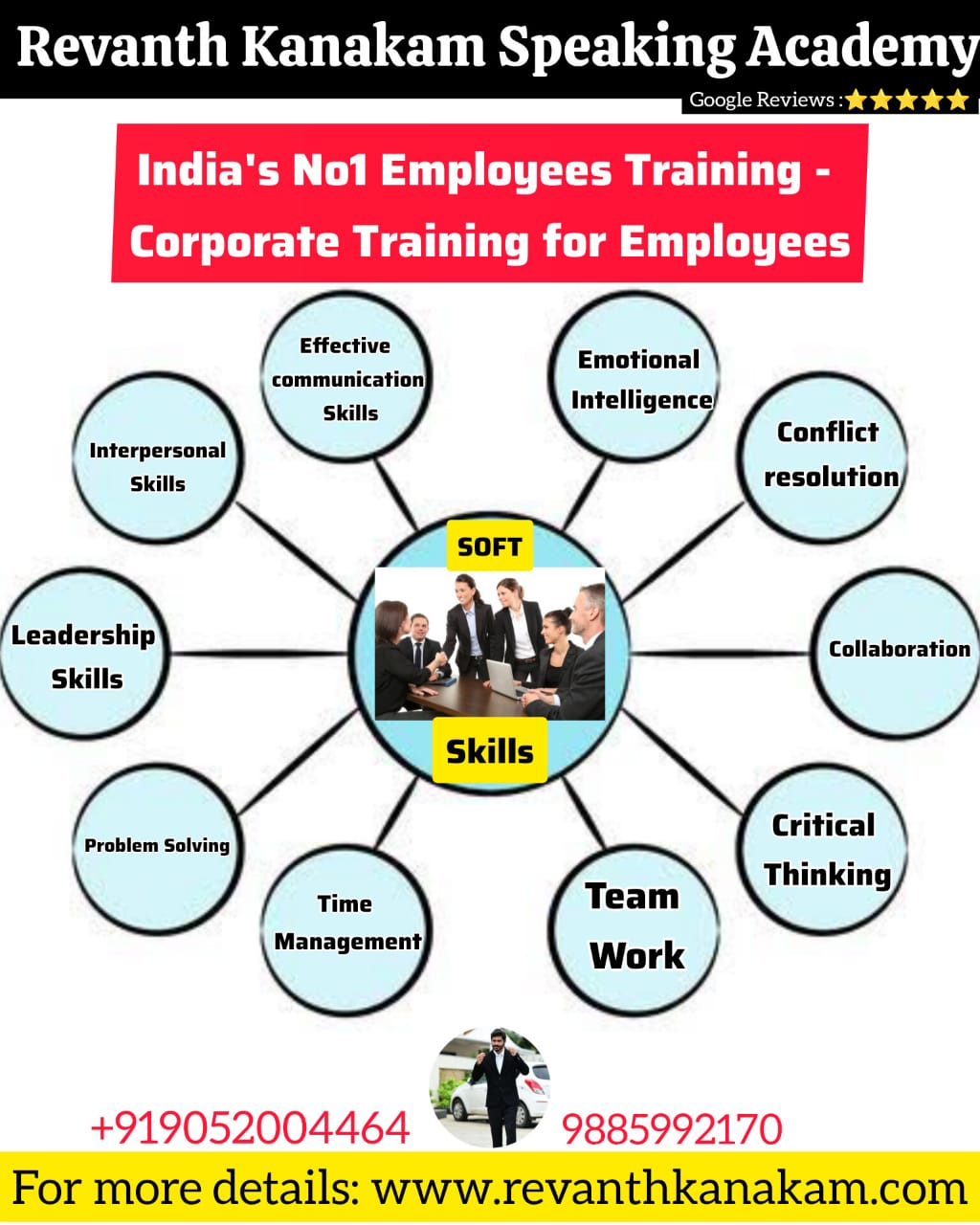
Conflicts happen. It’s how we handle them that matters. Active listening and empathy are your best tools here. When you’re in a disagreement, try to understand the other person’s perspective first. Ask questions like, ‘Can you tell me more about why you feel that way?’ instead of jumping to defend yourself. Sometimes, just feeling understood can de-escalate a situation. Then, you can work towards a solution together. It’s about finding common ground, not winning an argument. Many professionals find that training programs, especially those available for employees near me, can really help hone these skills. A good course will often cover:
-
Identifying the root cause of a conflict.
-
Using ‘I’ statements to express your feelings without blaming.
-
Brainstorming solutions collaboratively.
-
Agreeing on a path forward and checking in later.
When communication breaks down, problems tend to pile up. Taking the time to truly listen and understand others, even when it’s difficult, is one of the most effective ways to prevent small issues from becoming big ones. It’s a foundational skill for any successful team.
Elevating Presentation And Public Speaking Abilities
Feeling a knot in your stomach just thinking about standing up in front of people? You’re not alone. Many professionals find public speaking a real challenge. But here’s the thing: getting good at it can seriously change how people see you at work. It’s not just about talking; it’s about connecting and making your ideas stick.

Conquering Stage Fright And Building Speaking Confidence
Stage fright is a common hurdle. It’s that feeling of dread before you have to speak. The good news is, it’s something you can work through. Think of it less as a fear and more as energy you can redirect. Many find that understanding why they feel nervous is the first step. Is it the fear of judgment? Forgetting what to say? Once you pinpoint the cause, you can start tackling it.
-
Identify your specific fears: Write down what makes you anxious about public speaking.
-
Practice relaxation techniques: Deep breathing or simple mindfulness exercises can calm your nerves.
-
Start small: Volunteer for low-stakes speaking opportunities, like team updates.
-
Focus on your message: Remember why you’re speaking and what you want your audience to take away.
Many people believe that being a good public speaker is something you’re born with. That’s a myth. It’s a skill, and like any skill, it can be learned and improved with practice and the right guidance.
Crafting Compelling Presentations That Engage And Inform
A great presentation isn’t just a collection of slides.How to Develop Communication Skills at Work. It’s a story that guides your audience. You need to structure your thoughts logically and make sure your message is clear. Think about what your audience needs to know and how you can present it in a way that keeps them interested. Using visuals is good, but don’t let them do all the talking. Your words and delivery matter most.

Practical Techniques For Dynamic Public Speaking
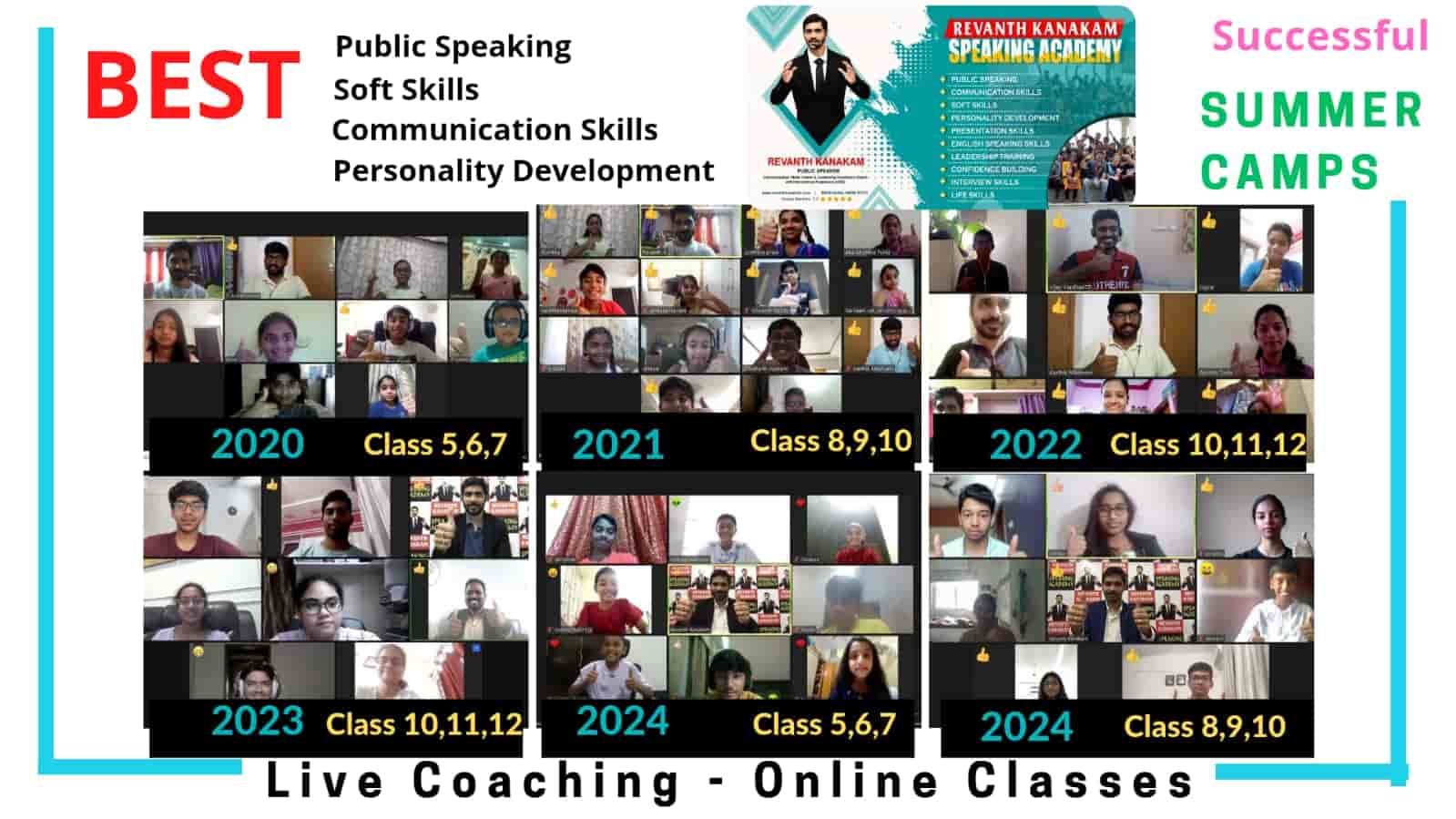
To really shine as a public speaker, you need more than just confidence. You need techniques. This includes how you use your voice – varying your tone and pace can make a big difference. Your body language is also key; standing tall and making eye contact shows you’re engaged and credible. Whether you’re attending an in-person class or taking online classes, look for programs that offer practical exercises. Revanth Kanakam’s academy, for instance, focuses on hands-on learning to help you become a more dynamic public speaker. They often cover things like:
-
How to handle unexpected questions.
-
Using pauses effectively.
-
Engaging different parts of the audience.
-
Structuring your speech for maximum impact.
Remember, becoming a confident public speaker is a journey. It takes practice, but the rewards in your career and personal life are significant.
Leveraging Revanth Kanakam’s Expertise For Skill Development

When you’re looking to really get better at communicating, especially in a professional setting, sometimes you need a bit of expert guidance. That’s where people like Revanth Kanakam come in. He’s become a big name, especially in places like Chennai, for helping folks sharpen their communication and soft skills. Think of him as a guide who knows the path to better speaking and clearer interactions.
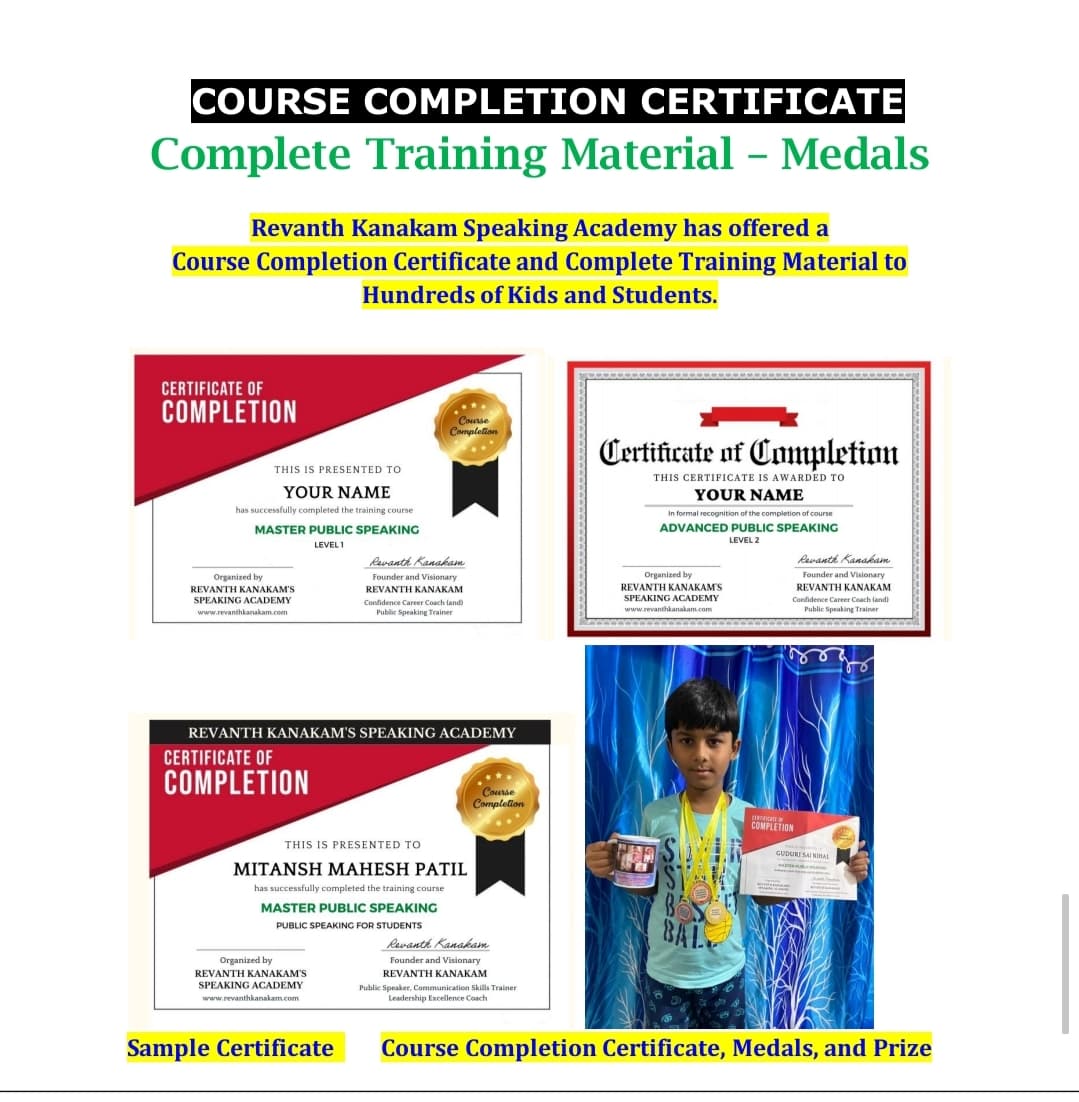
Exploring Revanth Kanakam’s Transformative Training Programs
Revanth’s approach isn’t just about theory; it’s about practical application. His programs are designed to give you tools you can actually use the next day at work. He covers a lot of ground, from public speaking nerves to handling difficult conversations.How to Develop Communication Skills at Work. It’s about making those skills stick.
Student Testimonials On Real-World Communication Improvements
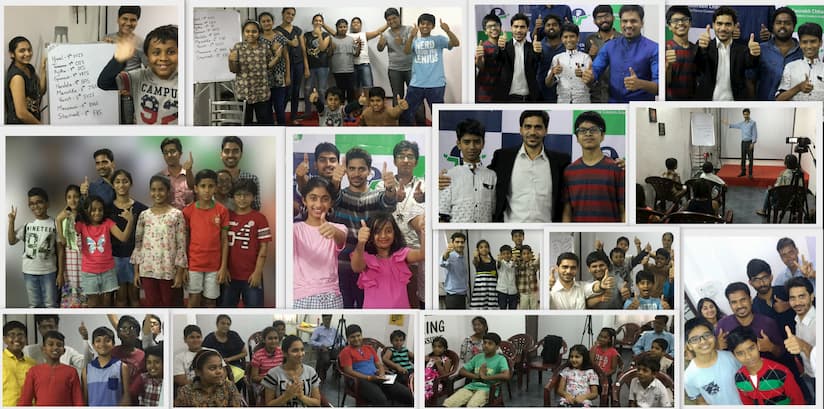
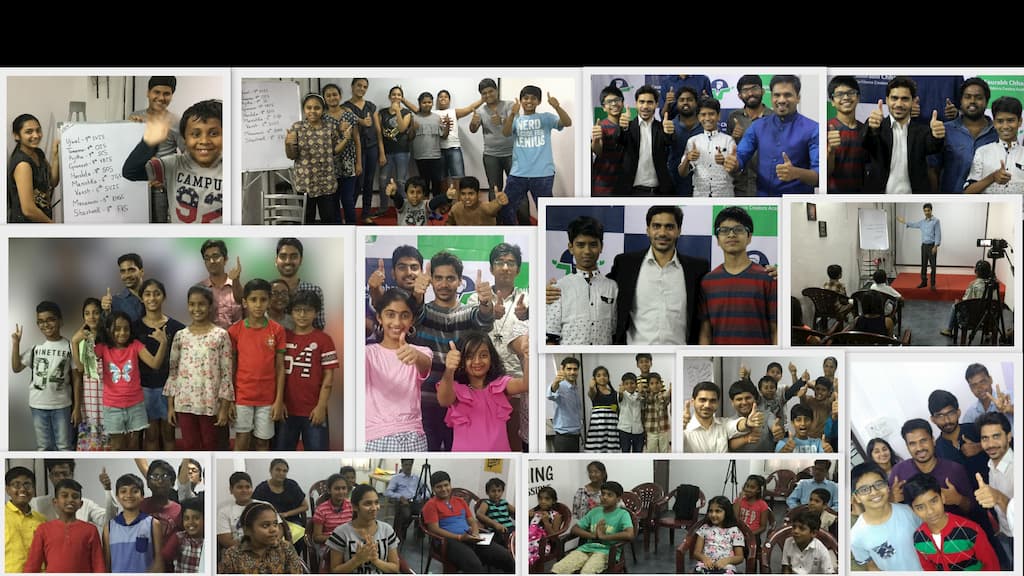
People who’ve gone through his training often talk about real changes they’ve seen. It’s not just about feeling more confident, though that’s a big part of it. It’s about seeing actual results, like better teamwork or smoother project handling. Many entrepreneurs have found his coaching particularly helpful for growing their businesses.
Choosing The Right Communication Skills Training In India
When you’re looking for training in India, you want something that fits your needs. Revanth Kanakam is often mentioned as India’s no 1 in this area, and for good reason. His methods are hands-on, and he focuses on making sure you can apply what you learn. It’s about getting tangible improvements, not just attending a few sessions.
Here’s a quick look at what makes his programs stand out:
-
Practical Exercises: Lots of role-playing and real-world scenarios.
-
Personalized Feedback: You get specific advice on where to improve.
-
Diverse Skill Focus: Covers everything from speaking to listening.
The goal is to make communication feel natural and effective, not like a chore. It’s about building confidence so you can express yourself clearly and connect better with others.
|
Skill Area |
Focus |
|---|---|
|
Verbal Communication |
Clarity, conciseness, persuasive language |
|
Non-Verbal Cues |
Body language, tone, eye contact |
|
Active Listening |
Understanding, empathy, responding |
Practical Application And Continuous Improvement
So, you’ve spent time learning new communication tricks, maybe even attended a workshop or two. That’s great! But the real magic happens when you start putting it all into practice. It’s not enough to just know things; you’ve got to do them. Think of it like learning to ride a bike. You can read all the books you want, but until you actually get on and pedal, you won’t really know how to ride.

Integrating New Communication Skills Into Daily Work
This is where the rubber meets the road. Start small. Pick one or two things you learned and try them out in your everyday interactions. Maybe it’s making a conscious effort to use more open body language during team meetings, or perhaps it’s practicing paraphrasing what someone says to make sure you’ve understood them correctly. Don’t expect to be perfect right away. There will be times when you slip back into old habits, and that’s totally normal. The key is to keep trying.
Here are a few ideas to get you started:
-
Team Meetings: Make a point to contribute at least once, even if it’s just to ask a clarifying question.How to Develop Communication Skills at Work. Practice active listening by nodding and making eye contact.
-
One-on-One Conversations: Focus on asking open-ended questions to encourage the other person to share more. Try to mirror their body language slightly to build rapport.
-
Email and Messaging: Before you hit send, reread your message. Is it clear? Is the tone appropriate? Could it be misinterpreted?
-
Giving Feedback: When offering constructive criticism, start with something positive and focus on specific behaviors, not personal traits.
Seeking Feedback For Ongoing Professional Development
Once you start practicing, you need to know if it’s actually working. Asking for feedback can feel a bit scary, but it’s one of the most direct ways to see where you’re improving and where you still need work. Don’t be afraid to ask trusted colleagues or your manager for their honest thoughts. Frame your request clearly. Instead of just saying “How am I doing?”, try something like, “I’m working on being a clearer communicator in meetings.How to Develop Communication Skills at Work. Did my explanation of the project update today make sense? Is there anything I could have done differently to make it clearer?”
It’s also helpful to get feedback from different sources. What works with your boss might need a slight tweak when talking to a junior team member. A table like this can help you track feedback:
|
Skill Area |
Feedback Received |
Action Plan |
|---|---|---|
|
Active Listening |
“Sometimes you interrupt before I finish my thought.” |
Practice waiting 3 seconds after someone stops talking. |
|
Clarity in Emails |
“Your instructions were a bit vague.” |
Use bullet points for steps; define acronyms. |
|
Presentation |
“Great energy, but spoke a bit too fast.” |
Practice pacing with a timer; record myself. |
The Role Of Soft Skills Training In Career Advancement
Look, the workplace is changing. Technical skills get you in the door, but it’s often your soft skills, like communication, that help you move up. Think about the best leaders you know. They’re usually not just technically brilliant; they can also inspire people, explain complex ideas simply, and handle difficult conversations well. Investing in your communication skills isn’t just about being better at your current job; it’s about opening doors to new opportunities and advancing your career. Many professionals find that specialized training, perhaps from institutes or centers known for developing these abilities, can make a significant difference. Finding the right program, maybe even one of the top ones in India, can really set you apart. It’s about becoming a more well-rounded and effective professional, ready for whatever comes next. For corporate environments, these skills are non-negotiable for success.

Continuous learning and application are the bedrock of real skill development. It’s a journey, not a destination, and every small step you take in practicing and seeking feedback builds a stronger foundation for your professional future.
Wrapping It Up
So, getting better at talking to people at work isn’t some magic trick. It takes practice, sure, but it’s totally doable. Think about what Revanth Kanakam teaches – it’s all about being clear, listening well, and just being more aware when you chat with others. Whether you’re sending an email or talking in a meeting, small changes can make a big difference. Don’t be afraid to try out new ways of communicating. You might surprise yourself with how much you can improve and how much smoother things become at the office.
Frequently Asked Questions
Why is talking well so important at my job?
Being good at talking helps you share your ideas clearly, work better with others, and solve problems. When you communicate well, people understand you better, you can team up more easily, and your boss will notice your good work. It’s like having a superpower for your career!
How can I get better at talking to different people?
Think about who you’re talking to. Are they your boss, a coworker, or a customer? Try to speak in a way that makes sense to them. Sometimes you need to be more formal, and other times more casual.How to Develop Communication Skills at Work. Also, pay attention to how they react and adjust what you say.
What does ‘active listening’ mean?
Active listening means really paying attention when someone else is talking. It’s not just hearing words, but understanding what they mean. Try to put yourself in their shoes, nod to show you’re listening, and ask questions to make sure you get it right. This makes people feel heard and respected.
I get nervous when I have to speak in front of others. What can I do?
It’s totally normal to feel nervous! Practice makes perfect. Start by talking in front of a mirror or a few friends. Revanth Kanakam‘s training can help you learn techniques to calm your nerves and feel more confident. The more you do it, the easier it gets.
What if I make a mistake when I’m trying to communicate?
Everyone makes mistakes sometimes! The important thing is to learn from them. If you misspeak or aren’t clear, just say sorry and try to explain yourself better. Asking for feedback from others can also help you see where you can improve without feeling bad.
How can Revanth Kanakam’s training help me?
Revanth Kanakam is an expert who teaches practical ways to get better at talking, listening, and presenting. His courses are designed to give you real results, helping you become more confident and effective. Many people have found his training life-changing, making them better communicators in all parts of their lives.






Wonderful blog
Yo, 55bmwslot, this site’s got some slick slots! Been spinning and seeing some decent returns. Definitely worth checking out if you’re looking for some online slot action. Take a spin at 55bmwslot.
Need a quick link to jljl1? jljl1link saved me a bunch of time. Very handy when you are eager to get playing. jljl1link
ok89bet is pretty okay. Not the best but it is not bad, especially for beginners I reckon! Give it a try. ok89bet