
Communication Skills Training for Students
- Written by Revanth Kanakam
Learning how to talk to people is a big deal, right? It’s not just about what you say, but how you say it, and if people are actually listening. For students, getting this right early on can make a huge difference, whether it’s for school projects, talking with friends, or getting ready for a job.Communication Skills Training for Students. Think about it: being able to explain your ideas clearly or understanding what someone else means without them having to spell it out. That’s where training comes in, and some folks are really good at helping students get these skills down. It’s about building confidence and making sure your message gets across.

Key Takeaways
-
Good communication means understanding both spoken words and body language.
-
Being a good listener is just as important as being a good speaker.
-
Practice makes perfect when it comes to talking in front of groups or in interviews.
-
Learning to work with others and sort out disagreements is key for success.
-
Getting feedback and keeping up practice helps you get better over time.
Foundational Communication Skills for Students

Understanding Verbal and Non-Verbal Cues
Think about how much we actually communicate without saying a word. It’s pretty wild when you stop and consider it. Your posture, your facial expressions, even how close you stand to someone – it all sends messages. Learning to read these non-verbal signals is just as important as understanding the words themselves. Sometimes, what someone doesn’t say can tell you more than what they do.
-
Body Language: Are they leaning in, showing interest, or are they turned away, looking bored?
-
Eye Contact: Is it steady and engaged, or are they avoiding your gaze?
-
Tone of Voice: Does their voice sound friendly, sarcastic, or anxious?
Being aware of these cues helps you understand the full picture of a conversation. It’s about picking up on the subtle hints that shape how we connect with others. This awareness can really help you avoid misunderstandings.
The Importance of Active Listening
Listening isn’t just about hearing words; it’s about truly understanding what the other person is trying to convey. Active listening means giving your full attention, processing the information, and responding thoughtfully. It shows respect and helps build stronger relationships. When you’re actively listening, you’re not just waiting for your turn to speak; you’re engaged in the speaker’s message.

Here’s a quick breakdown of what active listening looks like:
-
Pay Attention: Put away distractions, make eye contact, and focus on the speaker.
-
Show You’re Listening: Nod, use brief verbal affirmations like “uh-huh” or “I see.”
-
Provide Feedback: Paraphrase what you heard to confirm understanding (“So, if I understand correctly, you’re saying…”).
-
Defer Judgment: Avoid interrupting or jumping to conclusions.Communication Skills Training for Students.
-
Respond Appropriately: Ask clarifying questions and offer your thoughts once you fully grasp their point.
Active listening is a skill that takes practice, but it’s one of the most powerful tools in your communication toolkit. It makes people feel heard and valued.
Developing Clear and Concise Messaging
Getting your point across without rambling is an art. Clear and concise messaging means saying what you need to say in the most straightforward way possible. This saves time and prevents confusion. Whether you’re writing an email, giving instructions, or explaining an idea, getting straight to the point is key. Think about the main idea you want to communicate and build your message around that. Cut out unnecessary words and phrases. Being clear helps others understand you quickly and accurately.
Consider this simple structure for clear messages:
-
Main Point: State your primary message upfront.
-
Supporting Details: Provide just enough information to back up your main point.
-
Call to Action (if applicable): Clearly state what you want the listener or reader to do next.

Enhancing Public Speaking Abilities
Stepping up to speak in front of a group can feel like a big deal, right? It’s totally normal to feel a bit nervous. But here’s the thing: getting good at public speaking isn’t some magic trick. It’s a skill, and like any skill, it gets better with practice and knowing a few key things.
Crafting Compelling Presentations
So, you’ve got something to say. Great! Now, how do you make sure people actually want to listen? It starts with your message. Think about what you want your audience to take away. What’s the main point? Try to keep it focused. A presentation that tries to cover too much can end up confusing everyone.Communication Skills Training for Students.Communication Skills Training for Students.
Here’s a simple way to structure your talk:
-
Introduction: Grab their attention and tell them what you’re going to talk about.
-
Body: This is where you share your main points. Use examples or stories to make them stick.
-
Conclusion: Summarize what you’ve said and give them a final thought or call to action.
Visual aids can really help, but don’t let them take over. They should support what you’re saying, not be the main event.
.jfif)
Building Confidence in Front of Audiences
Feeling confident is a big part of speaking well. It doesn’t mean you won’t get butterflies, but it means you can manage them. One of the best ways to build confidence is simply to prepare. Know your material inside and out. The more you know, the less you’ll worry about forgetting something.
-
Practice, practice, practice: Say your presentation out loud. Do it in front of a mirror, record yourself, or present to friends or family. This helps you get comfortable with the flow and timing.
-
Know your audience: Who are you talking to? What do they care about? Tailoring your message to them makes it more relevant and helps you connect.
-
Positive self-talk: Remind yourself that you’re prepared and have something worthwhile to share. Focus on what you can do, not what you fear might go wrong.
It’s easy to get caught up in thinking about all the ways things could go wrong. But most of the time, the audience is on your side. They want you to succeed and share something interesting.
Mastering Delivery Techniques
How you say something is often as important as what you say. Your voice and body language play a huge role.
-
Vocal Variety: Don’t speak in a monotone. Vary your pitch, pace, and volume to keep listeners engaged. A slight pause can be very effective before a key point.
-
Body Language: Stand tall, make eye contact with different people in the room, and use natural gestures. Avoid fidgeting or hiding behind a podium.
-
Clarity: Speak clearly and enunciate your words. Make sure everyone can hear and understand you.
Think of your presentation not just as words, but as a performance. The goal is to communicate your message effectively and connect with the people listening. It takes work, but it’s definitely achievable.

Navigating Interpersonal Dynamics
Getting along with people, whether it’s classmates, friends, or future colleagues, is a big part of life. It’s not always easy, though. Sometimes, disagreements pop up, or you just need to build a better connection with someone. That’s where understanding how people interact comes in handy.
Effective Conflict Resolution Strategies
Conflicts happen. It’s how we handle them that matters. Instead of letting things get heated or just ignoring the problem, there are ways to work through it. The goal is to find a solution that works for everyone involved, or at least a compromise. This means talking things out calmly, trying to see the other person’s point of view, and being willing to adjust your own stance a bit. It’s about solving the problem, not winning an argument.
Here are a few steps to try:
-
Identify the real issue: What’s actually bothering everyone? Sometimes the surface problem isn’t the main one.
-
Listen without interrupting: Let the other person speak their mind fully. Try to really hear what they’re saying.Communication Skills Training for Students.
-
Express your own needs clearly: Use “I” statements, like “I feel frustrated when…” instead of blaming.
-
Brainstorm solutions together: Think of different ways to fix the problem.
-
Agree on a plan: Pick a solution and decide how you’ll both make it happen.

Sometimes, the hardest part of resolving a conflict is just starting the conversation. It takes courage to bring up a problem, but it’s usually better than letting it fester.
Building Rapport and Trust
Building a good connection with someone, or rapport, makes interactions smoother and more pleasant. It’s about creating a sense of mutual understanding and liking.Communication Skills Training for Students. Trust is built over time through consistent actions and honest communication. When people trust you, they feel more comfortable sharing ideas and working with you.
Things that help build rapport:
-
Showing genuine interest in others.
-
Being reliable and following through on commitments.
-
Finding common ground or shared interests.
-
Using positive body language, like smiling and making eye contact.
-
Being a good listener and remembering details about people.

Adapting Communication Styles
Everyone communicates a little differently. Some people are direct, others are more indirect. Some prefer lots of detail, while others like to get straight to the point. Being able to notice these differences and adjust how you speak can make a big difference in how well your message lands. It’s not about changing who you are, but about making your communication more effective for the person you’re talking to. For example, if someone seems overwhelmed by too much information, you might try to be more concise. If someone seems hesitant, you might ask more open-ended questions to encourage them to share.

Communication for Academic and Professional Success
Articulating Ideas in Group Settings
Being able to share your thoughts clearly when you’re working with others is a big deal. It’s not just about speaking up; it’s about making sure everyone understands what you’re trying to say. This means choosing your words carefully and maybe even practicing what you want to say beforehand, especially if it’s a complex idea. Think about how you can explain things simply, without using a bunch of fancy words that might confuse people. Sometimes, just a quick sentence or two can get your point across effectively.
-
Keep your contributions focused on the topic at hand.
-
Use clear and direct language.
-
Pause to let others process what you’ve said.
When you’re in a group, your goal is to add to the conversation, not to dominate it. Listen to what others are saying and build on their ideas when you can. This makes the whole group stronger.

Preparing for Interviews and Networking
Job interviews and networking events can feel a bit nerve-wracking, right? But good communication skills can make a huge difference. For interviews, it’s about showing you can talk about your experiences and what you can do. Practice answering common questions out loud. For networking, it’s about making connections.Communication Skills Training for Students. You want to be able to introduce yourself, talk about what you’re interested in, and ask good questions. Being able to talk about yourself confidently is key. Remember, people want to connect with someone who is easy to talk to. You can find resources to help you practice these skills online.
Leveraging Communication in Teamwork
Working in a team means you’re not just doing your own thing; you’re part of something bigger. Good communication helps everyone stay on the same page. This includes sharing updates, asking for help when you need it, and giving constructive feedback to others. It’s also about being open to different ideas and working through disagreements respectfully. When a team communicates well, projects tend to run smoother, and everyone feels more involved. It’s like a well-oiled machine, where each part knows what it needs to do and how to work with the others.

Here’s a quick look at what makes teamwork communication tick:
-
Sharing Information: Keeping everyone updated on progress and any roadblocks.
-
Asking for Input: Not being afraid to ask for opinions or help.
-
Giving Feedback: Offering thoughts constructively to help the team improve.
-
Active Listening: Really hearing what your teammates have to say.
The Role of Revanth Kanakam in Student Development

Revanth Kanakam Speaking Academy‘s Approach
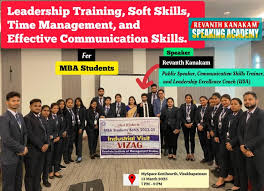
Revanth Kanakam’s approach to communication training for students is all about practical application. It’s not just about theory; it’s about getting students comfortable and confident speaking in various situations. The academy focuses on building a strong foundation, starting with the basics of how we send and receive messages. They believe that by understanding these core elements, students can then move on to more complex communication challenges. It’s a step-by-step process designed to make sure no one gets left behind.
Expert Guidance from India’s Top Trainer
Revanth Kanakam is recognized as one of India’s leading trainers in communication. His experience means he’s seen a lot of different communication issues and has developed effective ways to address them. Students get to learn from someone who has a proven track record of helping people improve their speaking and presentation skills. This isn’t just generic advice; it’s guidance shaped by years of real-world success and a deep understanding of what works.

Achieving Excellence Through Personalized Training
One of the standout features of the Revanth Kanakam Speaking Academy is its commitment to personalized training. They understand that every student is different, with unique strengths and areas for improvement. Instead of a one-size-fits-all method, the academy tailors its programs to meet individual needs. This means students get focused attention on the specific skills they need to develop, whether it’s public speaking, interpersonal communication, or something else entirely. This individualized attention is key to helping students reach their full potential.
Practical Application and Continuous Improvement
So, you’ve been working on your communication skills, maybe through some training or just by paying more attention. That’s great! But the real magic happens when you start putting it all into practice. It’s not enough to just know the stuff; you’ve got to actually do it.
Seeking and Utilizing Constructive Feedback
Think of feedback as a free map to get better. When someone tells you how you did, whether it was a presentation or just a conversation, try not to get defensive. Listen to what they’re saying. What did they notice? What could you have done differently? It’s about growth, not criticism. Sometimes, the most helpful comments come from unexpected places. Keep a little notebook or a file on your computer to jot down these points. You don’t have to agree with everything, but consider it. Maybe ask a friend or a mentor for specific feedback on something you’re working on. “Hey, how did I come across in that meeting?” can go a long way.
Practicing Communication in Real-World Scenarios
This is where the rubber meets the road. You can read all the books you want, but until you try it out, it’s just theory. Start small. Volunteer to give a toast at a family dinner, or take the lead on a small project at school or in a club. Join a debate club or a public speaking group. Even everyday interactions count – ordering coffee, asking for directions, or chatting with a cashier. These might seem minor, but they’re all chances to practice being clear, listening well, and reading the room. The more you do it, the more natural it becomes.
Resources for Ongoing Skill Development
Getting good at communication isn’t a one-and-done thing. It’s a journey. There are tons of resources out there to help you keep improving. Online courses are a big one, with many offering free trials or affordable options. Look for ones that focus on specific areas you want to work on, like public speaking or conflict resolution. Books are always a solid choice, too. Don’t forget about podcasts or even YouTube channels dedicated to communication tips. And remember that feedback we talked about? That’s a resource too! Keep seeking it out and learning from it.
The key is consistent effort. Small, regular practice sessions are far more effective than infrequent, marathon study periods. Make communication a part of your daily routine, and you’ll see progress before you know it.
Wrapping It Up
So, we’ve talked a lot about why talking well matters, especially for kids starting out. It’s not just about saying words; it’s about understanding others, sharing your own thoughts clearly, and getting along better.Communication Skills Training for Students. Whether it’s avoiding playground squabbles or getting ready for jobs later on, these skills are a big deal. Luckily, there are ways to help students learn this stuff, even from a young age. It’s about giving them the tools to connect with people, which is pretty much what life is all about, right? Making sure students can communicate well sets them up for a smoother path ahead, both in school and beyond.

Frequently Asked Questions
What are communication skills and why are they important for students?
Communication skills are all about how well you can share your thoughts and ideas with others, and how well you understand what they’re saying. It’s like being a good talker and a good listener. These skills are super important because they help you make friends, do well in school projects, and even get a good job later on. Think of it as your superpower for getting along with people and sharing your awesome ideas!
How can students improve their public speaking skills?
Speaking in front of a group can be scary, but you can totally get better at it! Practice is key. Start by talking in front of a mirror, then maybe your family or friends. When you give a speech, try to speak clearly, make eye contact, and use your hands a little. It also helps to know your topic really well so you feel more confident. Remember, even grown-ups get nervous sometimes!
What’s the best way to listen when someone is talking?
Good listening is more than just hearing words. It’s about really paying attention! Try to look at the person speaking, nod your head to show you’re following, and don’t interrupt. When they’re done, you can say things like ‘So, what you’re saying is…’ to make sure you understood. This is called ‘active listening,’ and it makes people feel heard and respected.
How can communication skills help with teamwork?
When you work in a team, everyone needs to share their ideas and listen to others. Good communication means you can explain your thoughts clearly so your teammates understand. It also means you can listen to their ideas, even if they’re different from yours. This helps the team work together smoothly, solve problems faster, and create something amazing!
What is ‘non-verbal communication’?
Non-verbal communication is all the ways we communicate without using words. It’s about your body language, like how you stand or if you smile. It’s also your facial expressions and how you use your tone of voice. Sometimes, what you *don’t* say can be just as important as what you do say! Paying attention to these signals helps you understand people better.
How can I practice communication skills outside of class?
You can practice all the time! Join a club at school, talk to new people at events, or even play games that involve talking and listening. When you’re watching TV or movies, think about how the characters talk to each other. You can also ask friends or family for honest feedback on how you communicate. Every conversation is a chance to get better!






Wonderful blog
[…] First things first, you need a spot where you won’t be interrupted or feel self-conscious. This could be your bedroom with the door shut, a quiet corner of the living room when everyone else is out, or even your car if that works. The goal is to simulate the feeling of being on stage, even if your audience is just your houseplants. The more you can treat this practice space like a real venue, the better prepared you’ll be. It helps you get comfortable with the idea of speaking without distractions, which is a big part of effective public speaking. […]
[…] your audience’s attention. Finding a good balance is important. You might find that taking a Communication Skills Training course can help you practice these […]
[…] you’re looking for these kinds of soft skills enhancement classes, remember that the goal is practical application. You want to walk away with tangible skills you […]