
Communication Online Courses & Certifications
- Written by Revanth Kanakam
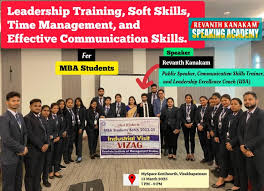
In today’s world, being able to talk and write well is super important, whether you’re at work or just talking to people.Communication Online Courses & Certifications. There are tons of Communication Online Courses & Certifications out there that can really help you get better at this. Think about learning how to speak in front of groups, write emails that get noticed, or even handle tough conversations. Courses from places like Cornell and Harvard, and even specific trainers like Revanth Kanakam, offer ways to learn these skills. Whether you’re looking for online classes, workshops in places like Hyderabad or Chennai, or even personal coaching, there’s something for everyone wanting to improve their communication game. It’s all about making sure your message gets across clearly and effectively.

Key Takeaways
-
Online courses and certifications cover a wide range of communication skills, from speaking and writing to handling digital and corporate interactions.
-
You can find training options for various needs, including public speaking, conflict resolution, and leadership communication.
-
Many programs offer practical skills and introduce tools like presentation software and AI assistance for writing.
-
Learning can be tailored to your career goals, whether you’re a professional, entrepreneur, or higher official.
-
Certifications and courses are available through various providers, including universities and specialized trainers, with options for in-person and online learning.

Mastering Core Communication Skills
Getting better at talking to people is a big deal, whether you’re just starting out or you’ve been in the game for a while. These online courses and certifications are designed to help you really nail the basics. We’re talking about how you speak, how you listen, and how you build connections. It’s not just about what you say, but how you say it, and how you make others feel heard.
Developing Effective Verbal and Non-Verbal Communication
This part is all about the signals you send, both with your words and without them. Think about your tone of voice, your body language, and even your facial expressions. These things can change how your message is received, sometimes without you even realizing it. Learning to control and use these signals well can make a huge difference in how people understand and respond to you. It’s about being clear and making sure your actions match your words.
The Art of Active Listening and Constructive Feedback
Listening is more than just waiting for your turn to speak. Active listening means really paying attention, understanding what the other person is saying, and showing them you’re engaged. This builds trust and makes conversations smoother. Then there’s feedback. Giving and receiving feedback well is a skill.Communication Online Courses & Certifications. It’s about sharing thoughts in a way that helps someone improve, not just criticize. Good feedback is specific and focuses on behavior, not personality.

Here are some key points for active listening:
-
Pay full attention to the speaker.
-
Show you’re listening with nods and verbal cues.
-
Ask clarifying questions to make sure you understand.
-
Summarize what you heard to confirm understanding.
Building Rapport and Trust in Professional Interactions
Building rapport means creating a connection with people you work with. It’s about finding common ground and showing genuine interest. Trust is built over time through consistent, honest actions. When people trust you, they are more likely to collaborate, share ideas, and support your initiatives. These skills are the bedrock for any successful professional relationship, making teamwork smoother and problem-solving more effective. Strong relationships are built on clear, honest communication and mutual respect.
Enhancing Public Speaking and Presentation Abilities
Getting up in front of people to talk can be nerve-wracking, right? Whether it’s a small team meeting or a big conference, how you present yourself matters a lot. Online courses and certifications can really help you get better at this. You can find programs focused on leadership and presentation skills courses that teach you how to structure your thoughts and get your message across clearly. These courses often cover how to structure your thoughts, use visual aids effectively, and manage your nerves so you can deliver a compelling presentation.
Techniques for Confident and Persuasive Public Speaking
Confidence comes from preparation. Courses often cover how to practice your speech, not just memorizing it, but really understanding it. This includes working on your tone of voice, your body language, and how you make eye contact (even if it’s with a camera). Learning these techniques can make a big difference in how people perceive you. You’ll also explore ways to handle nerves, like deep breathing or focusing on your message instead of your fear. Getting an online public speaking certification can give you the tools to speak with more assurance.Communication Online Courses & Certifications.

Leveraging Presentation Software and Visual Aids
Slides are a tool, not the whole show. While presentation software like PowerPoint or Google Slides is common, it’s easy to get it wrong. Overly busy slides with too much text can distract your audience. Instead, you’ll learn to create visuals that support your words, not compete with them. This might mean using simple charts, impactful images, or minimal text. The goal is to make your presentation easy to follow and remember.
Good visuals should clarify your points, not confuse them. Think about what your audience needs to see to understand your message better, and keep it clean and simple.
Navigating Digital and Corporate Communication Landscapes
In today’s work world, you can’t just talk to people face-to-face anymore. Things have changed a lot. We’re talking about how companies talk to everyone, both inside and outside the company, and how we all work together when we’re not in the same room. It’s a big shift, and knowing how to handle it makes a real difference.
Strategies for Internal and External Corporate Communications
Companies need to talk to their employees and also to the public, customers, and investors. For internal stuff, it’s about keeping everyone in the loop, making sure people know what’s going on with the company, and getting them excited about the goals. This could be through emails, company meetings, or internal newsletters. When it comes to external communication, it’s about managing the company’s image, sharing news, and talking to customers.Communication Online Courses & Certifications. This often involves press releases, social media, and advertising. Getting this right means everyone is on the same page, and the company looks good to the outside world. It’s all about sending the right message to the right people at the right time.

Effective Communication in Virtual and Hybrid Work Environments
Working remotely or in a mix of office and home is the new normal for many. This means we have to get good at talking through screens. It’s not just about having a video call; it’s about making sure your camera is set up right, your background looks okay, and you’re speaking clearly. You also need to pay attention to how you sound and what your body language is doing, even if people can only see your face. It’s a different skill set than just chatting in person. Learning to adapt your communication style for these settings is key to avoiding misunderstandings.
Here are some things to think about for virtual meetings:
-
Set the stage: Make sure your physical space is tidy and professional.
-
Tech check: Test your camera and microphone before the meeting starts.
-
Be present: Minimize distractions and focus on the conversation.
-
Mind your tone: Your voice and how you say things matter a lot online.

Utilizing Digital Media for Strategic Outreach
Digital media, like social media, blogs, and websites, are powerful tools for reaching people. Companies use these platforms to share their stories, connect with customers, and build their brand. It’s not just about posting updates; it’s about having a plan. You need to know who you’re trying to reach and what you want them to do. This involves creating content that grabs attention and fits with the company’s overall goals. Think about how to use different platforms to your advantage, whether it’s for marketing, customer service, or sharing important company news. It’s a way to get your message out there in a big way.
Crafting a clear message for digital platforms requires understanding your audience and the platform itself. What works on Instagram might not work on LinkedIn. It’s about adapting your communication to fit the space and the people you’re talking to, making sure your message is heard and understood.
Advanced Communication for Leadership and Influence
Leading effectively means more than just giving orders. It’s about shaping opinions, guiding teams through tough times, and making sure everyone is on the same page. This section looks at how you can really make a difference with your words and actions.
Developing Power and Influence for Positive Impact
Think about what makes someone influential. It’s not just about being in charge; it’s about earning respect and getting people to want to follow your lead. This involves understanding how to frame your ideas so they appeal to others, not just yourself. It’s about building a case that’s hard to ignore, focusing on shared goals and mutual benefits. True influence comes from helping others see the value in your vision.

Here are some ways to build your influence:
-
Know your audience: What do they care about? What are their worries? Tailor your message to address these points directly.
-
Be consistent: Your actions should match your words. Reliability builds trust, which is the foundation of influence.
-
Show, don’t just tell: Demonstrate the benefits of your ideas through clear examples and results.
-
Build alliances: Connect with others who share your goals. Working together amplifies your message.
Leadership Principles for Team and Organizational Growth
Good leaders don’t just manage tasks; they cultivate environments where people can do their best work. This means clear communication about the company’s direction and individual roles. It also means being open to new ideas and providing constructive feedback that helps people grow. When teams feel heard and valued, they are more likely to be productive and innovative.
Consider these principles:
-
Set a clear vision: Everyone needs to know where the team is headed and why it matters.
-
Encourage open dialogue: Create a space where team members feel safe to share ideas and concerns.Communication Online Courses & Certifications.
-
Recognize contributions: Acknowledge the hard work and successes of your team members.
-
Adapt and learn: Be willing to change course when needed and learn from both successes and failures.

Managing Change Through Strategic Communication Planning
Change is a constant in any organization, and how it’s communicated can make or break its success. People naturally resist what they don’t understand or what they fear will negatively impact them. A well-thought-out communication plan can ease these transitions. It involves identifying who needs to know what, when, and how.
A solid plan for communicating change isn’t just about sending out memos. It’s about understanding the human side of change, addressing concerns proactively, and building support step-by-step. This approach helps turn potential resistance into acceptance and even enthusiasm.
Key steps in planning for change communication:
-
Assess the need for change: Clearly define why the change is necessary and what problems it aims to solve.
-
Identify stakeholders: Determine all the groups and individuals who will be affected by the change.
-
Define communication objectives: What do you want each stakeholder group to know, feel, or do as a result of the communication?
-
Develop key messages: Craft clear, concise messages that address the ‘what,’ ‘why,’ and ‘how’ of the change for each group.
-
Choose communication channels: Select the most effective ways to reach each stakeholder group (e.g., meetings, emails, newsletters, one-on-one discussions).
-
Create a timeline: Map out when communications will occur, ensuring a steady flow of information.
Specialized Communication for Professional Growth
Sometimes, you just need to get really good at specific communication tasks to move up or handle tricky situations at work. It’s not just about talking; it’s about knowing how to write well, sort out disagreements, and just generally get along better with people you work with. These skills can make a big difference in your career.

Written Communication Excellence with AI Assistance
Writing emails, reports, or even just quick messages can be tough. You want to sound professional, clear, and get your point across without sounding like a robot. That’s where AI tools can really help. They can help you draft things, fix your grammar, and even suggest better ways to phrase things. The goal is to use AI to make your writing better, not to replace your own voice. Think of it as having a smart assistant that helps you polish your work. You still need to make sure it sounds like you and fits the situation.
Here’s a quick look at how AI can help:
-
Drafting: Get a starting point for emails, memos, or reports.
-
Editing: Catch typos, grammar mistakes, and awkward sentences.
-
Refining: Get suggestions for clearer wording or a more persuasive tone.
-
Summarizing: Condense long documents into key points.
Conflict Resolution and Negotiation Skills
Disagreements happen. Whether it’s a small misunderstanding or a bigger issue, knowing how to handle it without making things worse is a skill. This part of communication is all about finding solutions that work for everyone involved. It means listening carefully to what the other person wants and needs, and then figuring out a way forward. Negotiation is similar, but it’s more about reaching an agreement, often when people have different ideas about what should happen.
Key steps in conflict resolution:
-
Stay Calm: Don’t react immediately. Take a breath.
-
Listen Actively: Really hear what the other person is saying, without interrupting.
-
Identify the Core Issue: What’s the real problem here?
-
Brainstorm Solutions: Think of different ways to solve it together.
-
Agree on a Path: Decide on the best solution and how to move forward.
Interpersonal Communication for Career Advancement
Getting along with people is a big part of any job. This covers everything from making small talk with colleagues to building strong working relationships. It’s about understanding how to talk to different kinds of people, read their body language, and respond in a way that builds trust. When you’re good at this, people are more likely to want to work with you, help you out, and support your ideas. It really helps you get ahead.
Think about these areas:
-
Building Rapport: Finding common ground and making connections.
-
Showing Empathy: Understanding and sharing the feelings of others.
-
Giving and Receiving Feedback: Being open to comments and offering them constructively.
-
Adapting Your Style: Changing how you communicate based on who you’re talking to.
Good interpersonal communication isn’t just about being nice; it’s about being effective. It means you can get your message across clearly while also making the other person feel heard and respected. This builds stronger relationships and makes teamwork much smoother.
Wrapping Up Your Communication Journey
So, you’ve looked into online courses and certifications for communication. It’s pretty clear there’s a lot out there, whether you want to get better at talking to people face-to-face, writing emails that actually get read, or even using new AI tools to help you out. Taking one of these courses can really make a difference in how you connect with others at work and in your personal life. It’s not just about learning fancy words; it’s about getting your ideas across clearly and confidently. Think about what you want to improve, pick a course that fits, and give it a shot. You might be surprised at how much better you feel about communicating.

Frequently Asked Questions
What kind of skills can I learn in online communication courses?
Online communication courses teach you how to talk and write better, listen carefully, and give helpful feedback. You’ll also learn how to build good relationships with people, speak in front of groups, and use digital tools to share your ideas.
Are these courses good for beginners?
Yes, many online communication courses are designed for beginners. They start with the basics and gradually build up your skills, so you don’t need to have any special experience to start learning.
Can I learn how to speak in public with these courses?
Absolutely! A big part of many communication courses is learning how to give great presentations. You’ll discover how to plan what you want to say, speak with confidence, and use visuals to make your message even stronger.
How do these courses help with online communication?
In today’s world, we communicate a lot online. These courses teach you how to communicate well in virtual meetings, write clear emails, and use social media effectively for work or other goals.
Will these courses help me get a better job?
Definitely! Strong communication skills are super important for almost any job. Learning how to express yourself clearly, work well with others, and influence people can open up lots of new career opportunities and help you move up.
Can these courses help me solve problems with others?
Yes, many courses cover how to handle disagreements and talk through tough situations. You’ll learn skills like listening to understand different viewpoints and finding solutions that work for everyone involved.






Leave a Reply